
PROJECT 003
LOCATION DATA
YEAR DATA
CLIENT DATA
AREA DATA
PROGRAM DATA
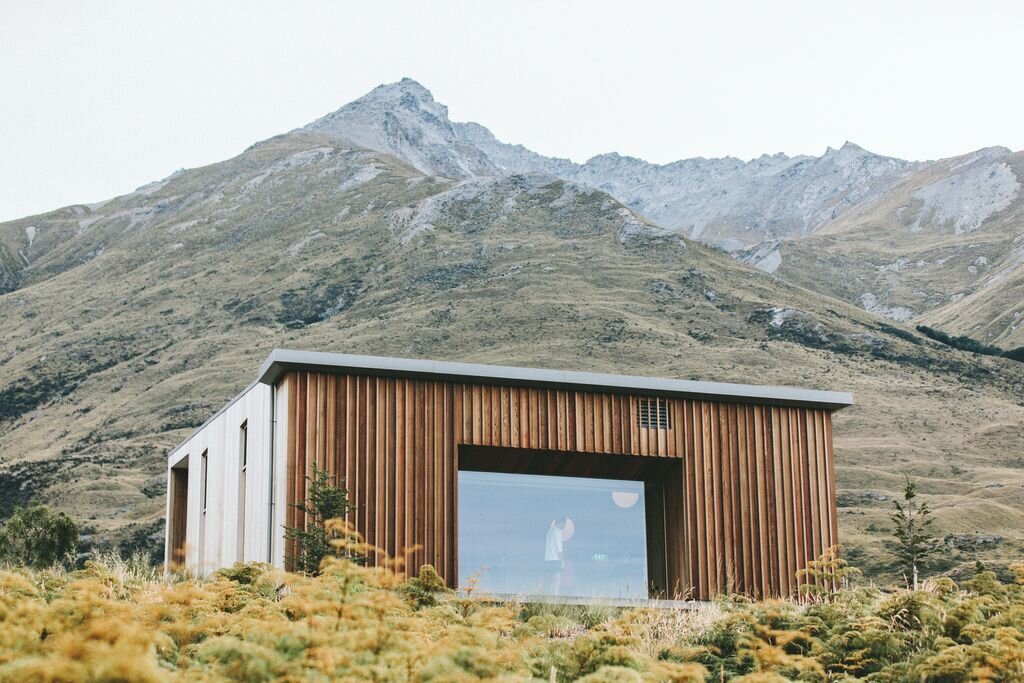
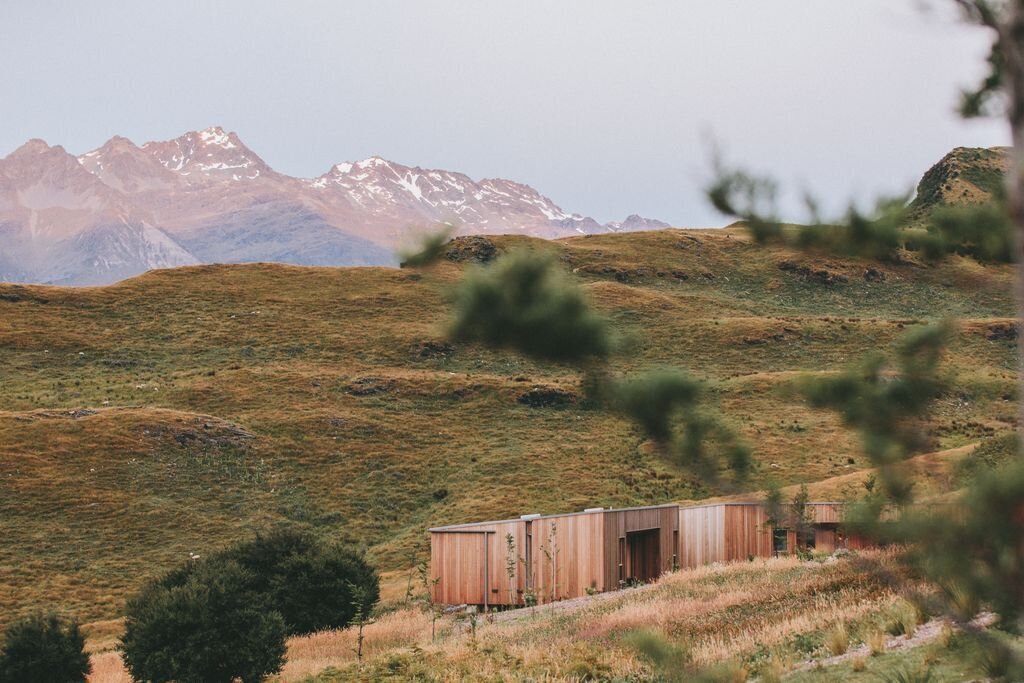
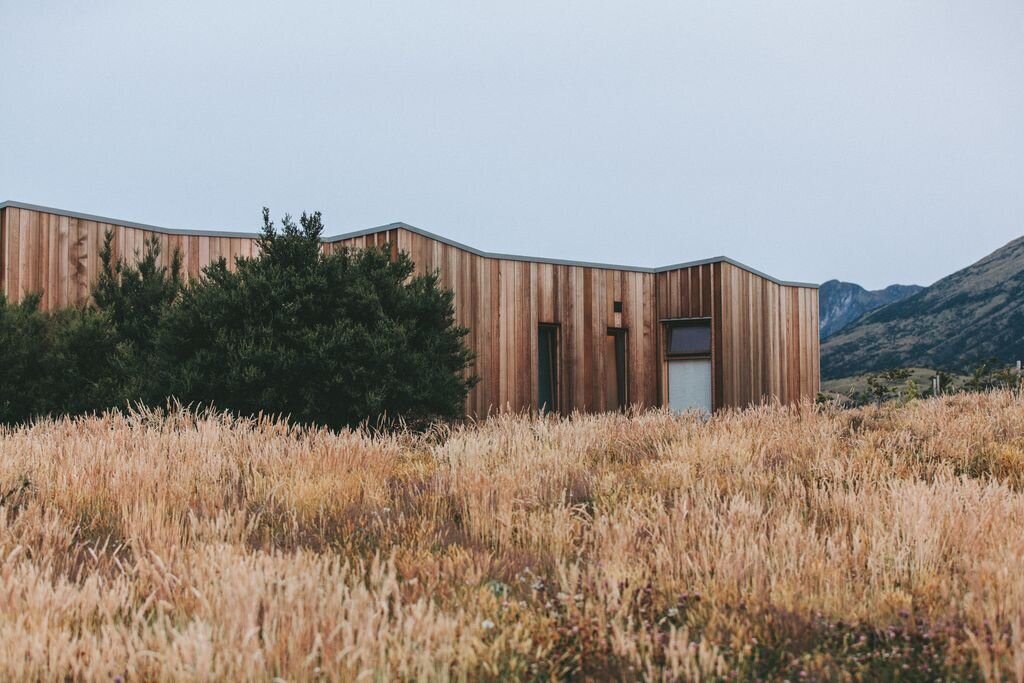
The façade is all corten steel patina and reclaimed timber vibes, a kind of artisanal brutalism that pairs well with pour-over concrete and terrazzo counters made from ethically sourced aggregate. We talk about “daylight harvesting” while sipping single-origin matcha, sketching massing diagrams on recycled vellum. Every stair detail is a manifesto, every exposed beam a quiet rebellion against drywall conformity. It’s less about form follows function, more about form follows feeling—an experiential narrative written in CMU and plywood.
Inside, the spatial sequence unfolds like a pop-up gallery for craft spirits: mezzanines floating above double-height lounges, circulation paths that wander like alleyways in a city you want to get lost in. Think open-plan authenticity punctuated by bespoke niches for curated plants. Material palettes whisper about authenticity—charred cedar, polished concrete, galvanized ductwork left naked like some industrial truth bomb. The HVAC hum becomes background jazz, an ambient soundtrack to our architectural earnestness.
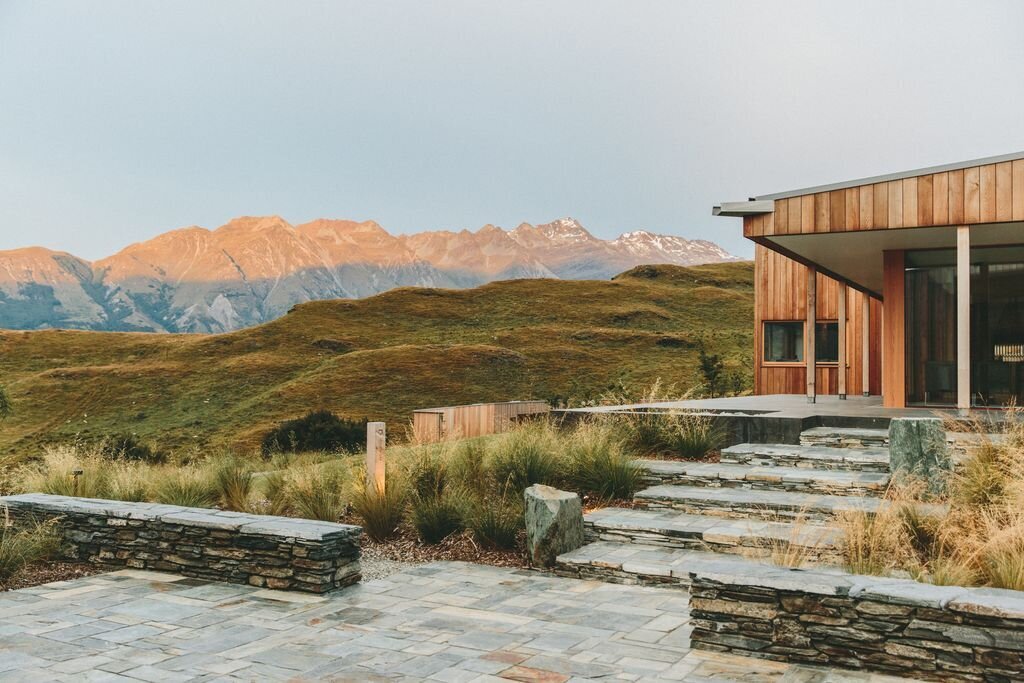
Out back, the courtyard is less landscape, more “urban farm chic,” where the ground plane is tiled with locally sourced gravel and the benches are CNC-milled from salvaged gym floors. There’s always a pavilion, of course—angular, translucent, just enough polycarbonate to remind you of grad school critiques. Sustainability isn’t a strategy here; it’s an aesthetic. LEED plaques are passé, but passive solar orientation? That’s the new black. Architecture, in this world, is a lifestyle brand: half diagram, half dream, fully calibrated to the golden hour.
CREDIT DATA